List

Category
Audience
Tags

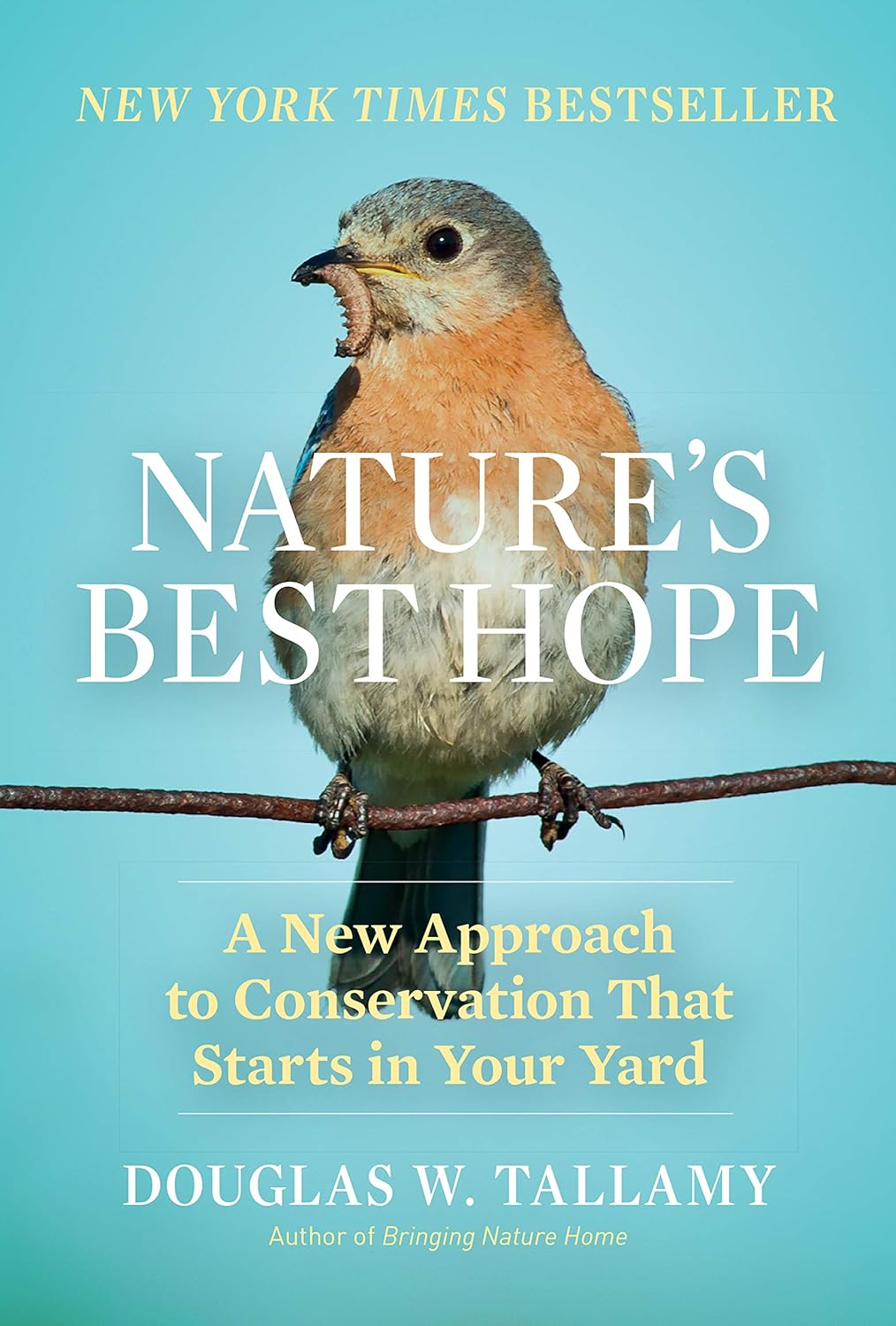
Nature's Best Hope: A New Approach to Conservation That Starts in Your Yard

Douglas W. Tallamy

Douglas W. Tallamy’s first book, Bringing Nature Home, awakened thousands of readers to an urgent situation: wildlife populations are in decline because the native plants they depend on are fast disappearing. His solution? Plant more natives. In this new book, Tallamy takes the next step and outlines his vision for a grassroots approach to conservation. Nature’s Best Hope shows how homeowners everywhere can turn their yards into conservation corridors that provide wildlife habitats. Because this approach relies on the initiatives of private individuals, it is immune from the whims of government policy. Even more important, it’s practical, effective, and easy—you will walk away with specific suggestions you can incorporate into your own yard.

If you’re concerned about doing something good for the environment, Nature’s Best Hope is the blueprint you need. By acting now, you can help preserve our precious wildlife—and the planet—for future generations.
View Details >>

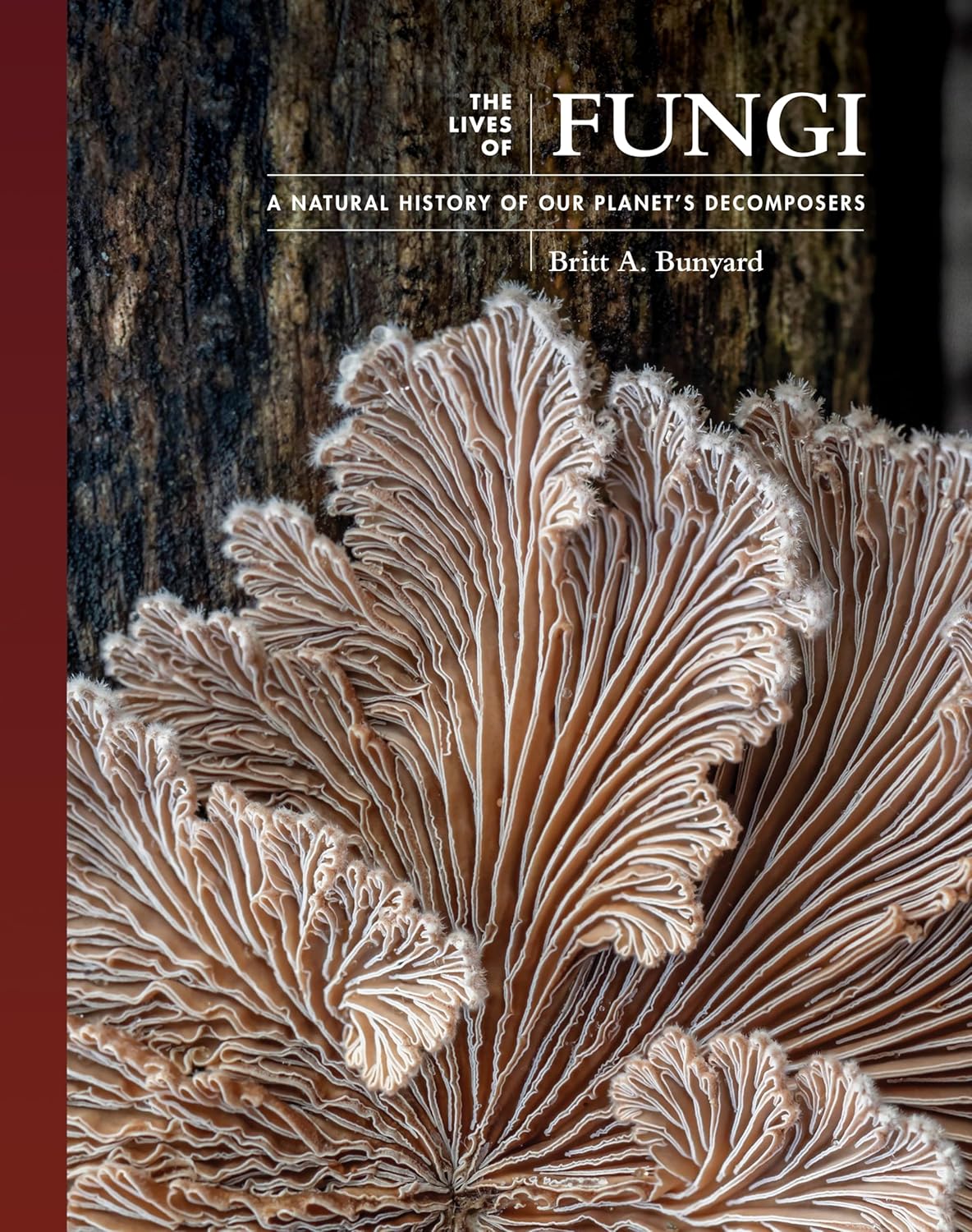
The Lives of Fungi: A Natural History of Our Planet's Decomposers

Britt A. Bunyard

We know fungi are important, for us as well as the environment. But how they live, and what they can do, remains mysterious and surprising. Filled with stunning photographs, The Lives of Fungi presents an inside look into their hidden and extraordinary world.

The wonders of fungi are myriad: a mushroom poking up through leaf litter literally overnight, or the sensational hit of umami from truffle shavings. Alexander Fleming cured infections with mold and spiritual guides have long used psychedelic mushrooms to enhance understanding. Then there are the tiny threads of fungi, called hyphae, that create a communications network for the natural world while decomposing organic matter. Combining engaging and accessible text with beautiful images, The Lives of Fungi lays out all the essential facts about fungi for the mycologically curious.

View Details >>

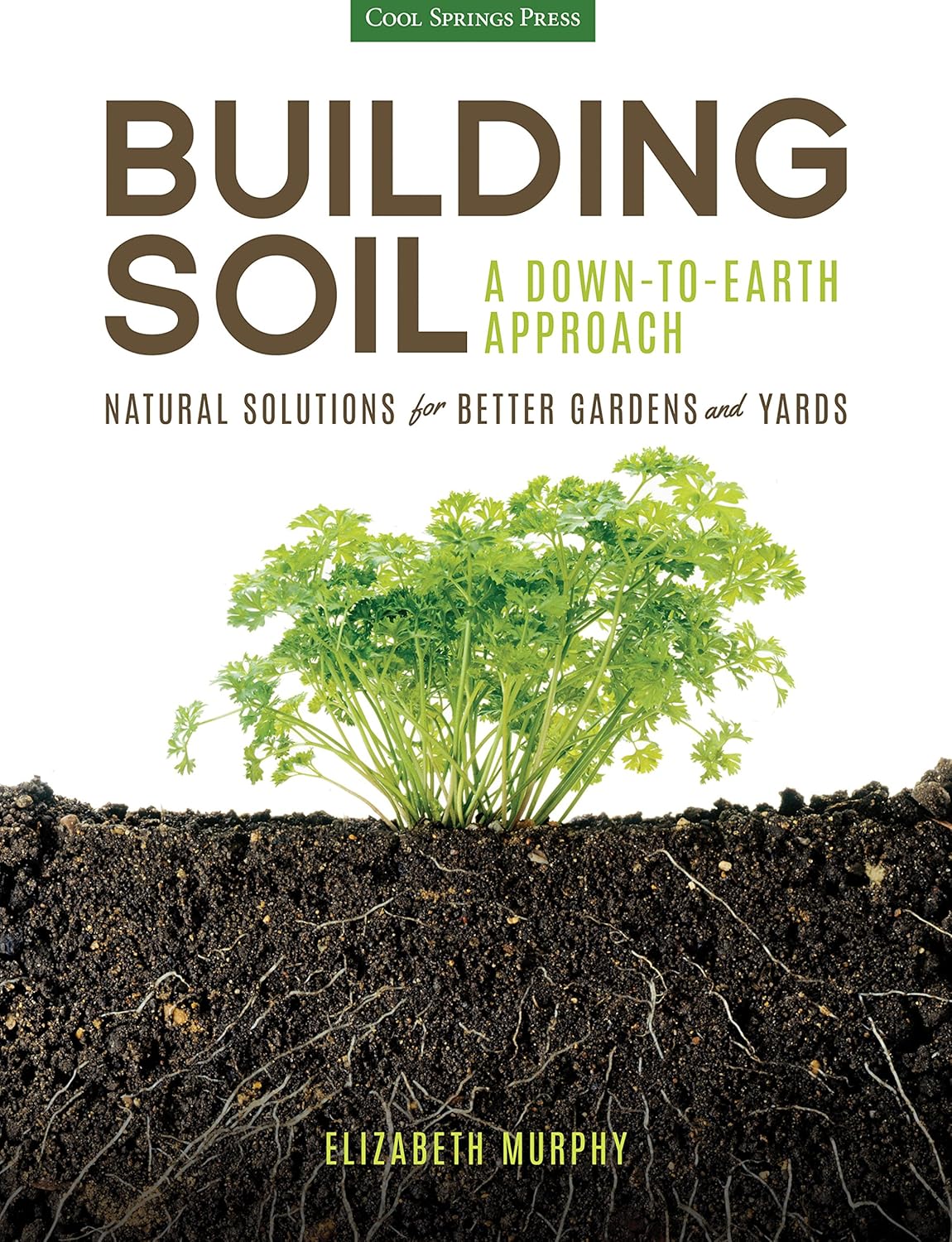
Building Soil: A Down-to-Earth Approach: Natural Solutions for Better Gardens & Yards

Elizabeth Murphy

How do you recognize healthy soil? How much can your existing soil be improved? What are the best amendments to use for your soil? Let Building Soil answer your questions and be your guide on gardening from the ground up. Fertilizing, tilling, weed management, and irrigation all affect the quality of your soil. Using author Elizabeth Murphy’s detailed instructions, anyone can become a successful soil-based gardener, whether you want to start a garden from scratch or improve an existing garden.

If you want methods that won’t break your back, are good for the environment, and create high-yielding and beautiful gardens of all shapes and sizes, this is the book for you! Create classic landscape gardens, grow a high-yielding orchard, nurture naturally beautiful lawns, raise your household veggies, or run a profitable farm.

A soil-based approach allows you to see not just the plants, but the living system that grows them. Soil-building practices promote more ecologically friendly gardening by:
 

  • Reducing fertilizer and pesticide use
  • Sequestering greenhouse gases
  • Increasing overall garden productivity


With a detailed discussion and comparison tables on a range of organic fertilizer choices, Building Soil is a simple book full of practical, up-to-date information about building healthy soils. Simple methods perfect for the home gardener’s use put healthy, organic soil within everyone’s reach. You don’t need a degree in soil management to understand this book; you only need a yard or garden and the desire to improve it at the most basic level.

View Details >>

Fashionopolis: Why What We Wear Matters

Dana Thomas

An investigation into the damage wrought by the colossal clothing industry and the grassroots, high-tech, international movement fighting to reform it

What should I wear? It’s one of the fundamental questions we ask ourselves every day. More than ever, we are told it should be something new. Today, the clothing industry churns out 80 billion garments a year and employs every sixth person on Earth. Historically, the apparel trade has exploited labor, the environment, and intellectual property—and in the last three decades, with the simultaneous unfurling of fast fashion, globalization, and the tech revolution, those abuses have multiplied exponentially, primarily out of view. We are in dire need of an entirely new human-scale model. Bestselling journalist Dana Thomas has traveled the globe to discover the visionary designers and companies who are propelling the industry toward that more positive future by reclaiming traditional craft and launching cutting-edge sustainable technologies to produce better fashion.
 
In Fashionopolis, Thomas sees renewal in a host of developments, including printing 3-D clothes, clean denim processing, smart manufacturing, hyperlocalism, fabric recycling—even lab-grown materials. From small-town makers and Silicon Valley whizzes to such household names as Stella McCartney, Levi’s, and Rent the Runway, Thomas highlights the companies big and small that are leading the crusade.
 
We all have been casual about our clothes. It's time to get dressed with intention. Fashionopolis is the first comprehensive look at how to start.

View Details >>

Homemade: 707 Products to Make Yourself to Save Money and the Earth

Editors of Reader's Digest

Make your own pantry staples, cleaning products, pet food, health and beauty supplies, and hundreds of other household items—fast, fresh, and more naturally.

Here are low-cost, all-natural replacement recipes for more than 700 name-brand products that you buy week in and week out at the supermarket, pharmacy, or discount store. Save a fortune making your own everyday cooking, cleaning, and toiletry products! At the same time, you’ll fill your cabinets with fresh, super high-quality products that work or taste great—without all the chemicals and preservatives of store-bought versions. Plus, ‘think green”—you will greatly reduce the amount of useless, environment-damaging waste and garbage—spray bottles, jars, and cans. For cleaning, laundering, and polishing, the compounds are much gentler and less damaging to drains, sewage, and septic systems.

The ingredients in most brand-name products account for only pennies of the purchaser’s dollar and rest of what you spend covers advertising, packaging, shipping, and the retailer’s overhead.

Try these easy to make recipes:

Food Staples: mayonnaise, peanut butter, breakfast cereals, soft drinks, pasta sauce, pickles, and jellies—save 50% on homemade salsa

Beauty and Health Supplies: moisturizers, facials, lip balm, aftershave, decongestant, foot powder, and PMS tea—save 90% on aftershave

Household Compounds: glues, wood stains, ant traps, and houseplant food

Cleaning Supplies and Polishes: carpet fresheners, cleaners, mildew remover, dishwasher detergent, and fabric softener—save 95% on homemade bathroom cleaner

Pet Supplies: liver snaps, dog shampoo, flea dip, cat litter, pet bird honey treats, and hamster fruit cup—save 73% on cat treats

Garden Products: fertilizer, soil conditioners, weed killer, deer repellents, and snail traps

And much more

Making low-cost, more natural versions of your favorite name brand grocery items is simple when you know the secrets. Homemade is your guide to saving a small fortune by making everyday household items yourself.

View Details >>

Your Essential Guide to Sustainable Investing: How to live your values and achieve your financial goals with ESG, SRI, and Impact Investing

Larry E. Swedroe & Samuel C. Adams

Sustainable investing is booming. The investment industry is fast approaching a point where one-third of global assets under management are invested with a sustainable objective.

But do sustainable investment products do what investors expect them to do?
How can an investor tell if their investments are having the social impact they want?
Does that impact come at a financial cost?
And how can investors weave their way through the web of confusing acronyms, conflicting agency ratings, and the mass of fund offerings, confident that they can recognize and avoid corporate greenwashing?

Larry Swedroe and Sam Adams cut through the fog and bring clarity on all of this and more―providing investors with a firm plan for truly sustainable investing.

The authors first define sustainable investing, illuminating the differences between ESG, SRI and impact investing, and reveal who is currently investing sustainably and why.

They then move on to a comprehensive review of the academic research. What does the data really say about risk and return in sustainable investing? What performance can you genuinely expect from sustainable investments? And how are today’s sustainable investors using their influence to drive positive changes for society and the environment?

Finally, this book arms you with a practical guide to investing sustainably, including how to effectively choose your asset allocation strategy, and select the managers and funds through which your money can create the change you want to see in the world.

View Details >>

Make Ink: A Forager’s Guide to Natural Inkmaking

Jason Logan

Discover the art and science of creating your own inks from nature with Make Ink: A Forager’s Guide to Natural Inkmaking. This beautifully illustrated guide transforms everyday plants, berries, and minerals into vibrant, sustainable inks―perfect for artists, calligraphers, and anyone passionate about handmade creativity.

Author Jason Logan, founder of the Toronto Ink Company, shares step-by-step instructions for sourcing natural materials, preparing pigments, and crafting inks that are both eco-friendly and deeply personal. Alongside practical recipes, you’ll find tips on tools, techniques, and color variations, plus inspiring stories from the growing community of natural ink makers.

Whether you’re a seasoned artist seeking unique hues or a beginner curious about sustainable art practices, Make Ink offers everything you need to start foraging, experimenting, and creating. This book is more than a manual―it’s an invitation to reconnect with the natural world through color.

Bring your art to life with colors born from the earth. Make Ink is your essential guide to turning nature into art. Features a foreword by Booker Prize-winning author Michael Ondaatje

Chapters include:

  • A Forager’s Checklist
  • What Is Ink and How Is It Made
  • Natural Ink: A Basic Recipe
  • Colors and Recipes
  • The Ground Rules of Natural Inkmaking
  • Testing Ink on Paper


Why You’ll Love This Book:

  • Learn how to identify and gather plants, nuts, and minerals for ink making.
  • Follow clear, tested recipes for creating a spectrum of natural colors.
  • Explore the history and cultural significance of ink in art and writing.
  • Embrace sustainable, eco-conscious creativity with minimal tools and materials.
View Details >>

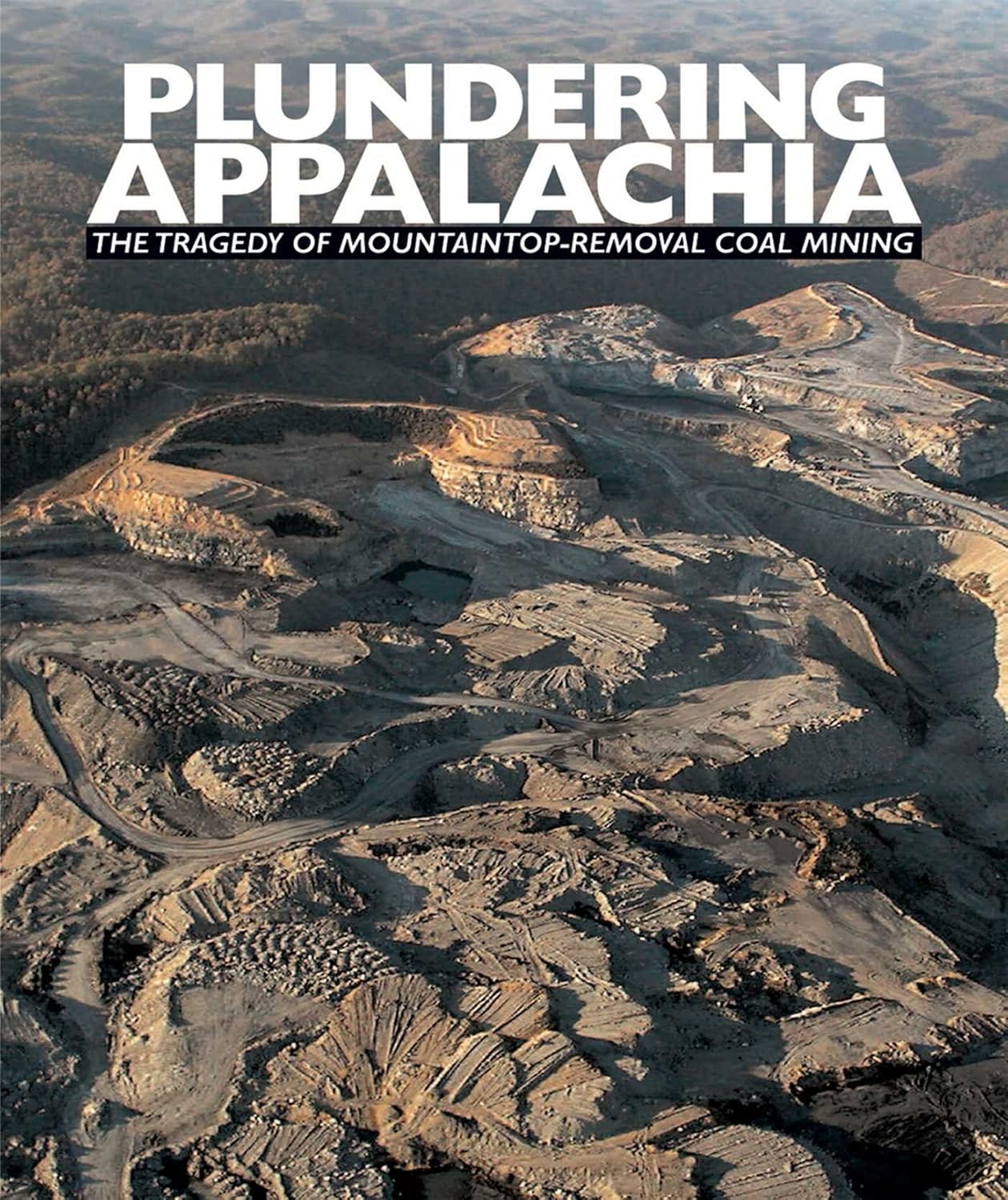
Plundering Appalachia: The Tragedy of Mountaintop-Removal Coal Mining

Tom Butler

Plundering Appalachia is a collection of photographs and essays detailing the grim realities of mountaintop removal mining: the effects of the blasting on the environment and the people and animals in its wake; the irreversible devastation of the natural landscape of Appalachia; how mountaintop removal is or is not regulated; and the true costs of the practice over time. Most people in the United States are connected to mountaintop removal in some way, whether they live in the affected areas, consume products derived from the mining haul, or are dealing with the effects that mining has on their ecosystem. Plundering Appalachia is a clarion call to action, asking Americans to get past the rhetoric of the coal industry and see the real Appalachia. Supported by science and common sense, the book is a plea for a region whose natural beauty deserves to be enjoyed by future generations.
View Details >>

Beaverland: How One Weird Rodent Made America

Leila Philip

From award-winning writer Leila Philip, Beaverland is a masterful work of narrative science writing, a book that highlights, though history and contemporary storytelling, how this weird rodent plays an oversized role in American history and its future. She follows fur trappers who lead her through waist high water, fur traders and fur auctioneers, as well as wildlife managers, PETA activists, Native American environmental vigilantes, scientists, engineers, and the colorful group of activists known as beaver believers.
 
Beginning with the early trans-Atlantic trade in North America, Leila Philip traces the beaver’s profound influence on our nation’s early economy and feverish western expansion, its first corporations and multi-millionaires. In her pursuit of this weird and wonderful animal, she introduces us to people whose lives are devoted to the beaver, including a Harvard scientist from the Blackfeet Reservation in Montana, who uses drones to create 3-dimensional images of beaver dams; and an environmental restoration consultant in the Chesapeake whose nickname is the “beaver whisperer”.
 
What emerges is a poignant personal narrative, a startling portrait of the secretive world of the contemporary fur trade, and an engrossing ecological and historical investigation of these heroic animals who, once trapped to the point of extinction, have returned to the landscape as one of the greatest conservation stories of the 20th century. Beautifully written and impeccably researched, Beaverland reveals the profound ways in which one odd creature and the trade surrounding it has shaped history, culture, and our environment.

View Details >>

The Green Burial Guidebook: Everything You Need to Plan an Affordable, Environmentally Friendly Burial

Elizabeth Fournier

Funeral expenses in the United States average more than $10,000. And every year conventional funerals bury millions of tons of wood, concrete, and metals, as well as millions of gallons of carcinogenic embalming fluid. There is a better way, and Elizabeth Fournier, affectionately dubbed the “Green Reaper,” walks you through it, step-by-step. She provides comprehensive and compassionate guidance, covering everything from green burial planning and home funeral basics to legal guidelines and outside-the-box options, such as burials at sea. Fournier points the way to green burial practices that consider both the environmental well-being of the planet and the economic well-being of loved ones.

View Details >>

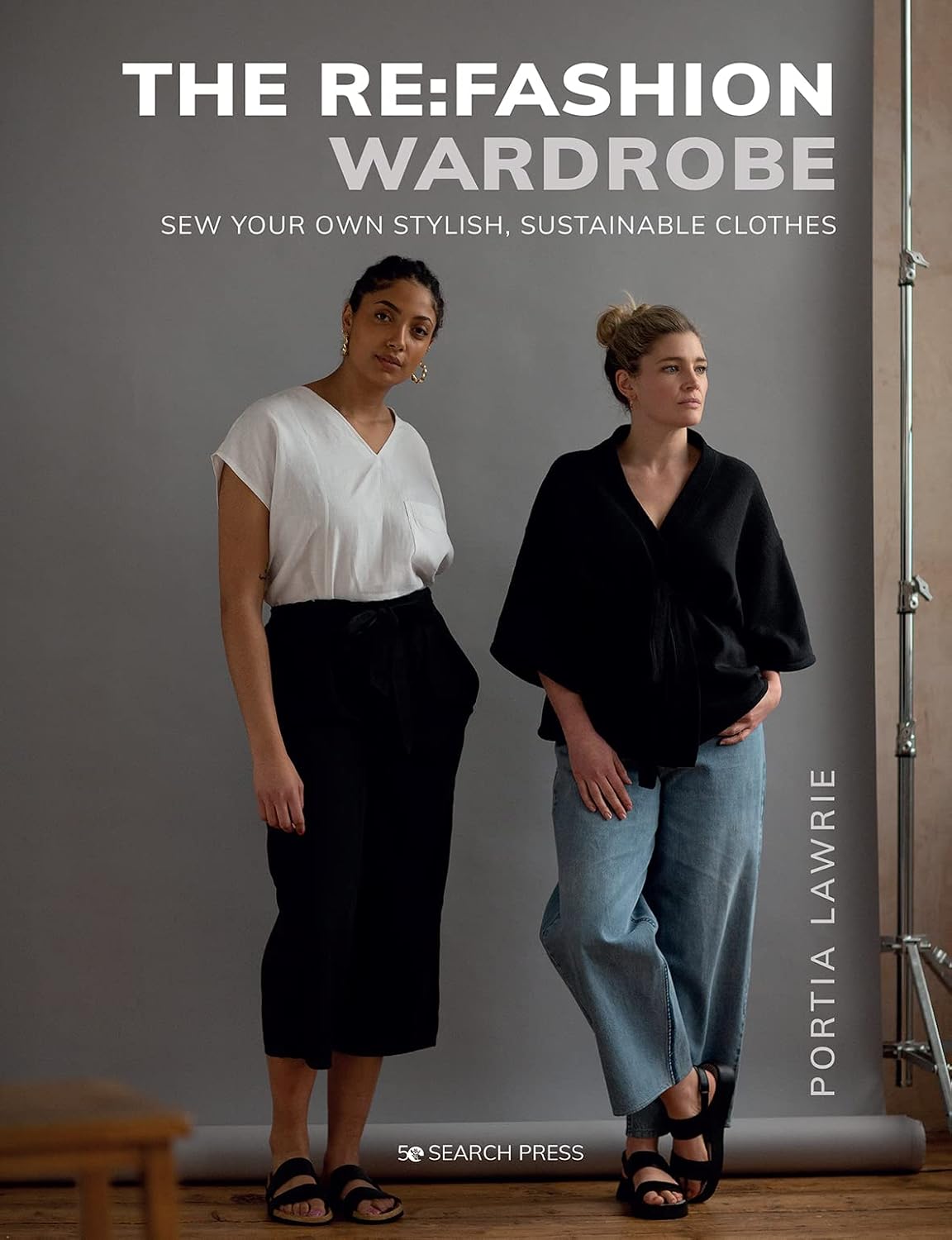
Re:Fashion Wardrobe, The: Sew your own stylish, sustainable clothes

Portia Lawrie

Creative Book Awards 2024 Winner - Best Upcycling Book and Best New Author from Crafts Beautiful Magazine

Every year, tons of clothing are sent to landfill, much of it owing to fast fashion and our desire to throw away clothes that aren’t considered 'fashionable'. In this book, learn how to alter or completely deconstruct once-loved clothes to create edited or entirely new garments and accessories that are not only chic but saving the planet.
 

  • Beginning with advice on how to source and analyze existing clothes
     
  • Founder of The Refashioners movement and sewing designer Portia Lawrie will then take you step by step through a collection of inspirational garments that she has reworked to show you just how easy it is to refresh and renew any piece of clothing you come across.
     
  • In every project, accompanied by stage-by-stage photographs and invaluable tips, see how you can adapt and cut away at tops, trousers, dresses and more to build a stylish, modern capsule wardrobe that you can wear throughout the year.
View Details >>

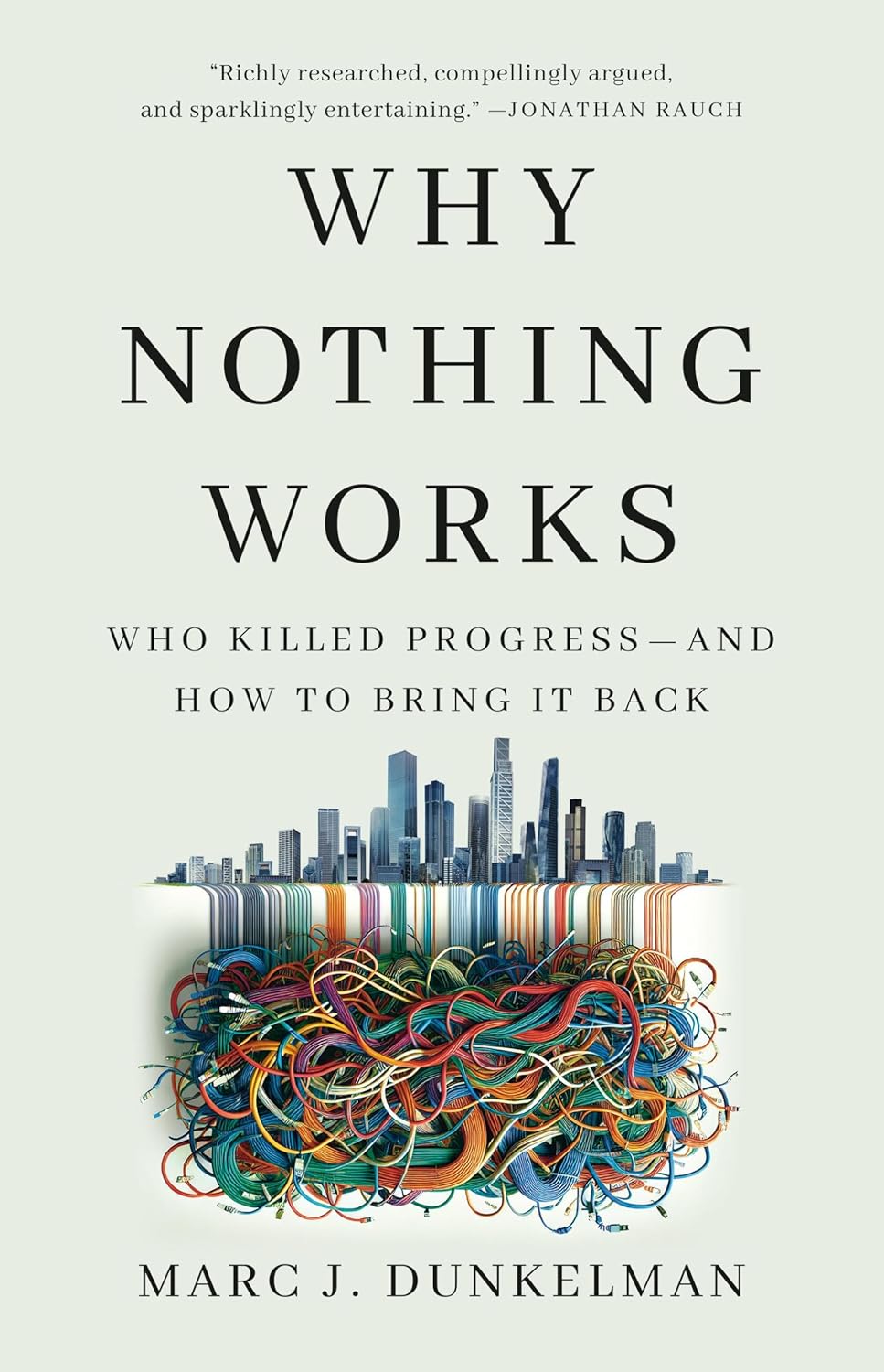
Why Nothing Works: Who Killed Progress―and How to Bring It Back

Marc J. Dunkelman

America was once a country that did big things. But today, even while facing a host of pressing challenges—a housing shortage, a climate crisis, dilapidated infrastructure—we feel stuck. As Marc J. Dunkelman reveals, America is the victim of a vetocracy that allows nearly anyone to stifle progress. While conservatives deserve some blame, progressives have overlooked an unlikely culprit: their own fears of “The Establishment.” A half century ago, reformers began to put speaking truth to power ahead of exercising that power for good. Now, the ensuing gridlock has pummeled faith in public institutions of all sorts and opened the door for MAGA-style populism. Why Nothing Works uncovers the roots of this predicament, and boldly shows how progressives can once again build a better future for all.

View Details >>

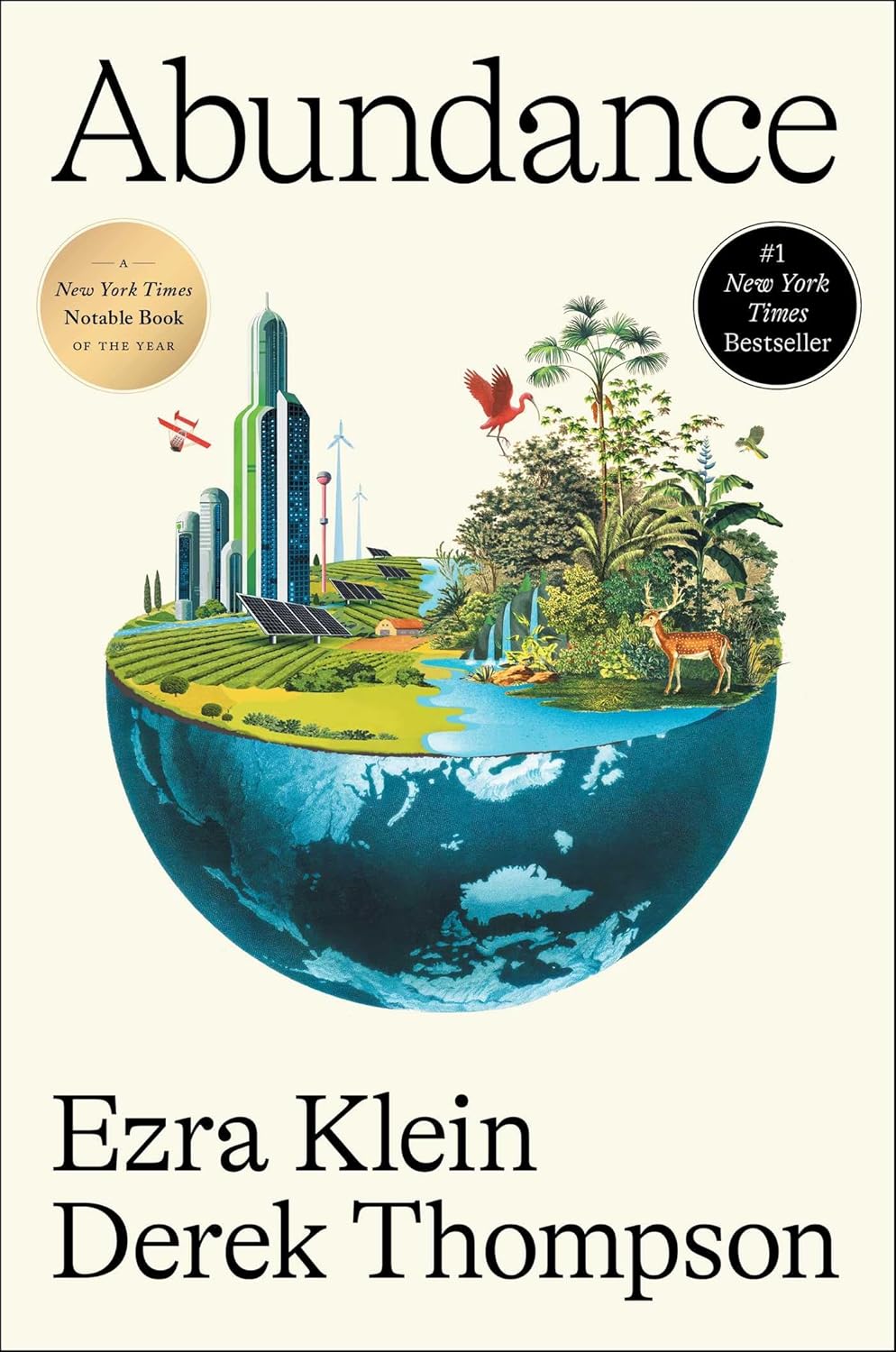
Abundance

Ezra Klein & Derek Thompson

To trace the history of the twenty-first century so far is to trace a history of unaffordability and shortage. After years of refusing to build sufficient housing, America has a national housing crisis. After years of limiting immigration, we don’t have enough workers. Despite decades of being warned about the consequences of climate change, we haven’t built anything close to the clean-energy infrastructure we need. Ambitious public projects are finished late and over budget—if they are ever finished at all. The crisis that’s clicking into focus now has been building for decades—because we haven’t been building enough.

Abundance explains that our problems today are not the results of yesteryear’s villains. Rather, one generation’s solutions have become the next gener­ation’s problems. Rules and regulations designed to solve the problems of the 1970s often prevent urban-density and green-energy projects that would help solve the problems of the 2020s. Laws meant to ensure that government considers the consequences of its actions have made it too difficult for government to act consequentially. In the last few decades, our capacity to see problems has sharpened while our ability to solve them has diminished.

Progress requires facing up to the institutions in life that are not working as they need to. It means, for liberals, recognizing when the government is failing. It means, for conservatives, recognizing when the government is needed. In a book exploring how we can move from a liberalism that not only protects and pre­serves but also builds, Klein and Thompson trace the political, economic, and cultural barriers to progress and propose a path toward a politics of abundance. At a time when movements of scarcity are gaining power in country after country, this is an answer that meets the challenges of the moment while grappling honestly with the fury so many rightfully feel.

View Details >>

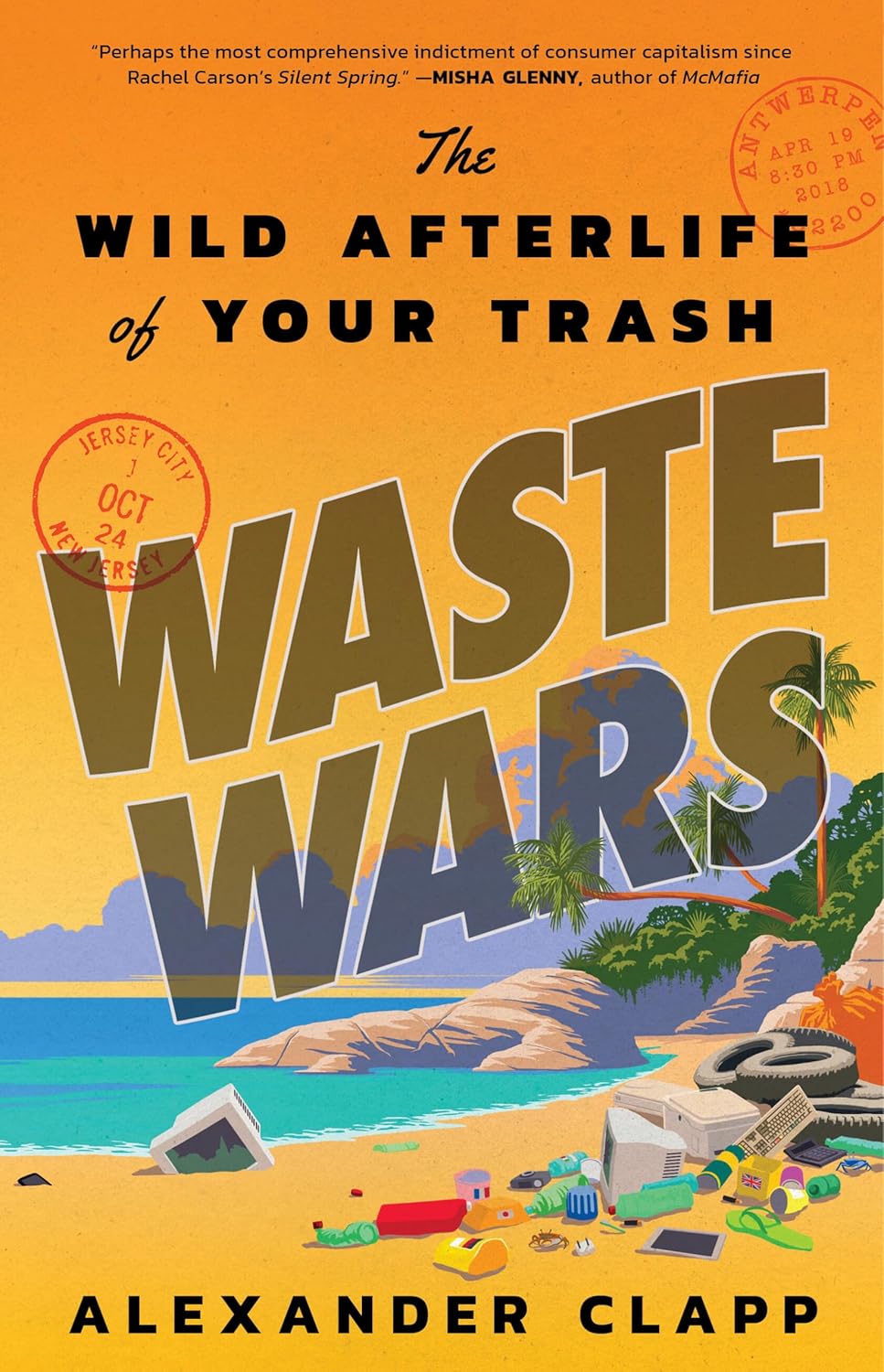
Waste Wars: The Wild Afterlife of Your Trash

Alexander Clapp

A globe-trotting work of relentless investigative reporting, this is the first major book to expose the catastrophic reality of the multi-billion-dollar global garbage trade.
                                                                                          
Dumps and landfills around the world are overflowing. Disputes about what to do with the millions of tons of garbage generated every day have given rise to waste wars waged almost everywhere you look. Some are border skirmishes. Others hustle trash across thousands of miles and multiple oceans. But no matter the scale, one thing is true about almost all of them: few people have any idea they're happening.

Journalist Alexander Clapp spent two years roaming five continents to report deep inside the world of Javanese recycling gangsters, cruise ship dismantlers in the Aegean, Tanzanian plastic pickers, whistle-blowing environmentalists throughout the jungles of Guatemala, and a community of Ghanaian boys who burn Western cellphones and televisions for cents an hour, to tell readers what he has figured out: While some trash gets tossed onto roadsides or buried underground, much of it actually lives a secret hot potato second life, getting shipped, sold, re-sold, or smuggled from one country to another, often with devastating consequences for the poorest nations of the world. 

Waste Wars is a jaw-dropping exposé of how and why, for the last forty years, our garbage — the stuff we deem so worthless we think nothing of throwing it away — has spawned a massive, globe-spanning, multi-billion-dollar economy, one that offloads our consumption footprints onto distant continents, pristine landscapes, and unsuspecting populations. If the handling of our trash reveals deeper truths about our Western society, what does the globalized business of garbage say about our world today? And what does it say about us?

View Details >>

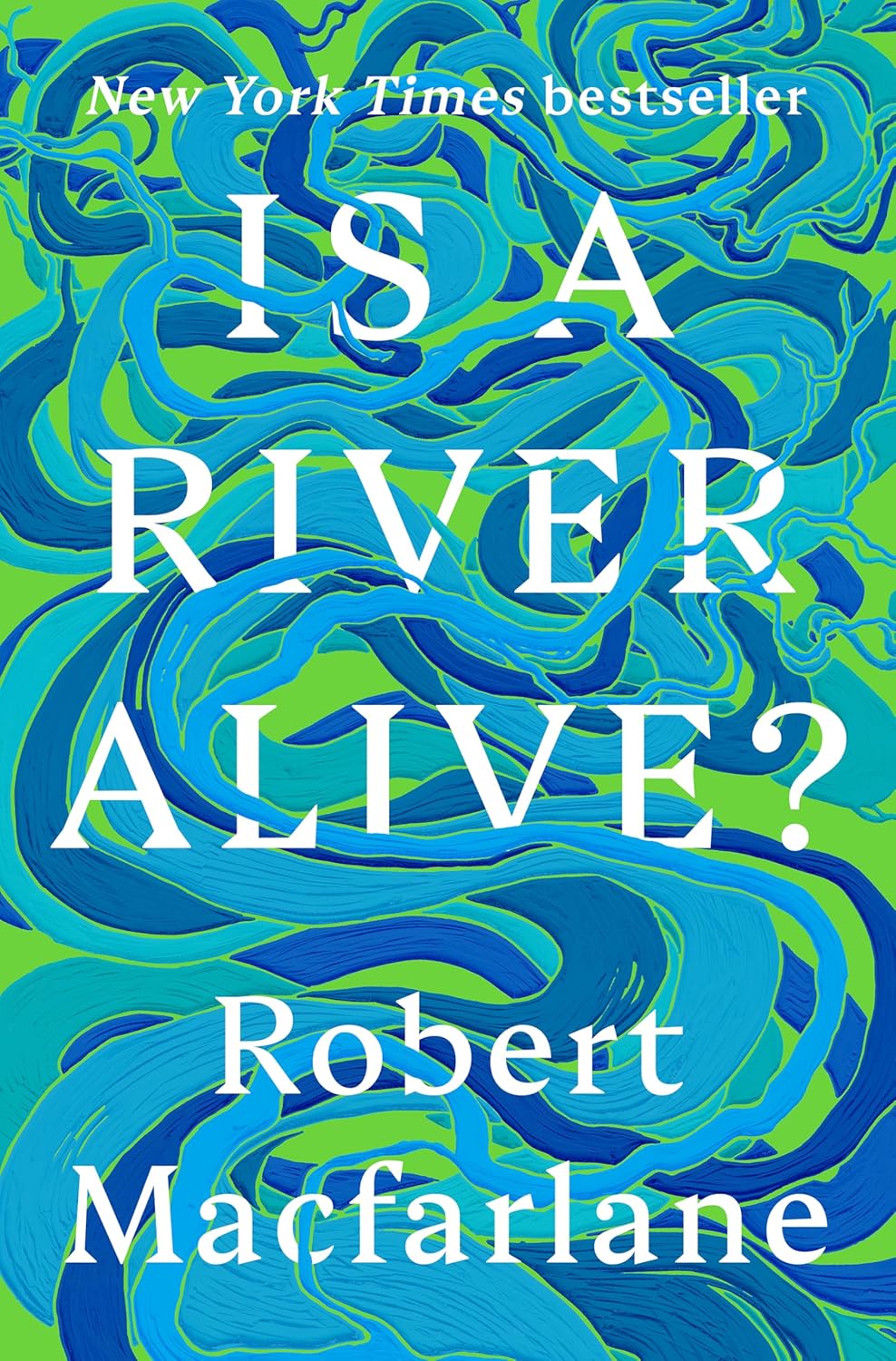
Is a River Alive?

Robert Macfarlane

Hailed in the New York Times as “a naturalist who can unfurl a sentence with the breathless ease of a master angler,” Robert Macfarlane brings his glittering style to a profound work of travel writing, reportage, and natural history. Is a River Alive? is a joyful, mind-expanding exploration of an ancient, urgent idea: that rivers are living beings who should be recognized as such in imagination and law.

Macfarlane takes readers on three unforgettable journeys teeming with extraordinary people, stories, and places: to the miraculous cloud-forests and mountain streams of Ecuador, to the wounded creeks and lagoons of India, and to the spectacular wild rivers of Canada―imperiled respectively by mining, pollution, and dams. Braiding these journeys is the life story of the fragile chalk stream a mile from Macfarlane’s house, a stream who flows through his own years and days.

Powered by dazzling prose and lit throughout by other minds and voices, Is a River Alive? will open hearts, challenge perspectives, and remind us that our fate flows with that of rivers―and always has.

View Details >>

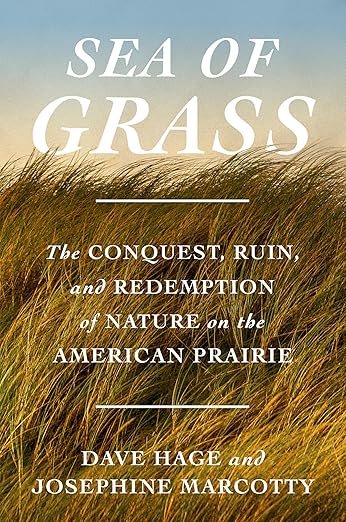
Sea of Grass: The Conquest, Ruin, and Redemption of Nature on the American Prairie

Dave Hage & Josephine Marcotty

The North American prairie is an ecological marvel, a lush carpet of grass that stretches to the horizon, and home to some of the nation’s most iconic creatures—bison, elk, wolves, pronghorn, prairie dogs, and bald eagles. Plants, microbes, and animals together made the grasslands one of the richest ecosystems on Earth and a massive carbon sink, but the constant expansion of agriculture threatens what remains.

When European settlers encountered the prairie nearly two hundred years ago, rather than a natural wonder they saw an alien and forbidding place. But with the steel plow, artificial drainage, and fertilizers, they converted the prairie into some of the world’s most productive farmland—a transformation unprecedented in human history. American farmers fed the industrial revolution and made North America a global breadbasket, but at a terrible cost: the forced dislocation of Indigenous peoples, pollution of great rivers, and catastrophic loss of wildlife. Today, industrial agriculture continues its assault on the prairie, plowing up one million acres of grassland a year. Farmers can protect this extraordinary landscape, but trying new ideas can mean ruin in a business with razor-thin margins, and will require help from Washington, D.C., and from consumers.

Veteran journalists and midwesterners Dave Hage and Josephine Marcotty reveal humanity’s relationship with this incredible land, offering a deep, compassionate analysis of the difficult decisions as well as opportunities facing agricultural and Indigenous communities. Sea of Grass is a vivid portrait of a miraculous ecosystem that makes clear why the future of this region is of essential concern far beyond the heartland.

View Details >>

Self Sufficiency for the 21st Century, Revised and Updated

Dick Strawbridge

Take the proper steps to live more sustainably. Learn how to reduce waste, use wind and solar energy to power your home, and grow your own food. Written by BBC personalities Dick and James Strawbridge, this manual for the modern age is complete guide to a simpler, greener, and cleaner lifestyle. With step-by-step guidance and techniques, Self Sufficiency for the 21st Century combines traditional skills and crafts with modern technological advances to help you live a more eco-friendly lifestyle. Perfect for both urban and rural readers, Self Sufficiency for the 21st Century has detailed illustrations and authoritative advice for tried-and-tested projects, including foraging for wild plants, finding natural remedies, composting, using green cleaners, and conserving energy at home. Learn how to can vegetables, garden in urban spaces, and the basics of animal husbandry. Self Sufficiency for the 21st Century is the perfect book to show you just how easy and rewarding green living can be with simple changes that have a major impact.

View Details >>

Homemade Living

Ashley English

Heard the buzz? Beekeeping is back! Neighborhoods across the country have embraced it as a source of sustainable food and environmental goodness. For those who want to join the "hive" of keepers, Ashley English has the lowdown on the key issues, from space and time considerations to local ordinances to the basics of acquiring, housing, maintaining, and caring for bees year round. Plus, get 10 tested honey-centric recipes!

View Details >>

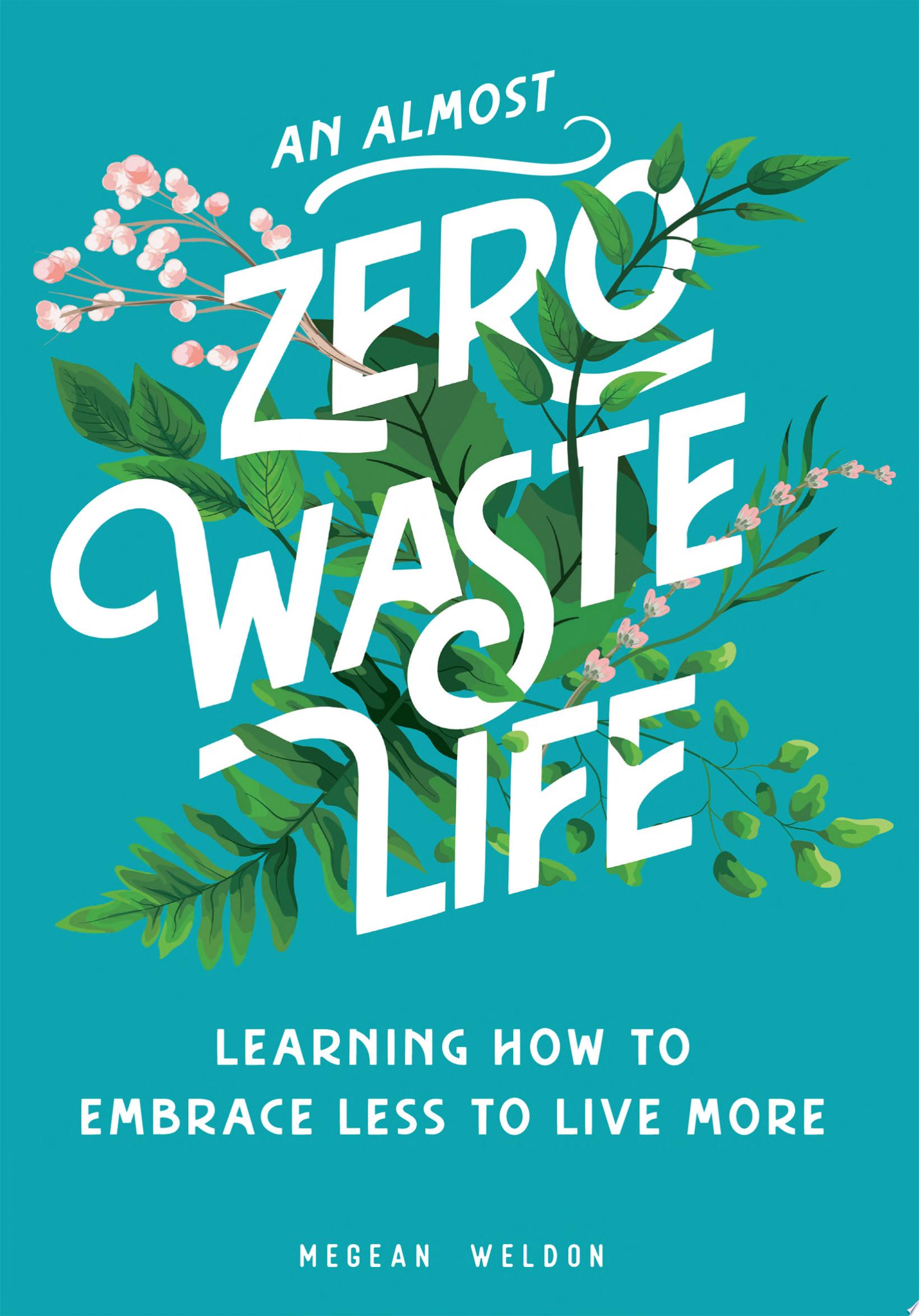
An (Almost) Zero-Waste Life

Megean Weldon

Author Megean Weldon, aka The Zero Waste Nerd, gently guides you on an attainable, inspirational, mindful, and completely realistic journey to a sustainable living lifestyle with tips, strategies, recipes, and DIY projects for reducing waste—presented in one approachable, beautifully designed, and illustrated guide.

What is zero waste living? Although the practice has been around for generations out of necessity, it is making a comeback as concerns grow about the fate of our environment. To put it simply: it is attempting to send no waste to landfills. Although you may have read or heard about “zero waste,” “sustainable,” or “green” living, the concept can sometimes seem too complicated, the author’s tone a bit self-righteous, or riddled with advice geared for people with 5 acres of land in the country with dreams of raising livestock and homesteading. This is not that book.

Can a “regular” person do this? Absolutely! Zero waste isn’t necessarily about zero, but more about changing or altering the way we see the world around us, how we consume, and how we think about waste. It’s about making better choices when we can, and working to reduce our overall impact by reducing the amount of packaging and single-use plastics we bring into our life. 

Focusing on the positive, An (Almost) Zero-Waste Life presents simple ways to reduce waste in every aspect of your life:

  • Cleaning: Recipes for natural cleaner and how to ditch paper towels for good.
  • Meal plans: Weekly menus and recipes for zero-waste meals that use bulk pantry staples.
  • Shopping: How to shop zero waste at big chain stores and ways to reduce food packaging.
  • Bathroom: Sustainable beauty routine and zero-waste showering.
  • Recycling: Ingenious ways to repurpose old clothing and how to recycle small metals, like bottle caps and razor blades.
  • Gardening/Compost: Tips on finding heirloom seeds, seasonal produce, and the basics of composting.
  • And much more!

An (Almost) Zero-Waste Life will change the way you see the world around you, how you consume, and how you think about waste for a healthier planet and happier you.

View Details >>

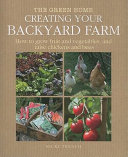
Creating Your Backyard Farm

Nicki Trench

If you dream of growing, harvesting and eating your own produce, here's how to begin. Author Nicki Trench, who has created her own backyard farm from scratch, shares with you everything there is to know about growing crops, keeping bees, and rearing hens. Here's how to make compost, grow vegetables and fruit, collect honey, rear chickens for fresh eggs, and make preserves and chutneys, along with natural remedies and cleaning products for a natural life inside and outside your home. The benefits of creating your backyard farm are not just economic--the energy you once obsessively expended on the exercise bike can now be channelled more productively by digging your vegetable patch, turning your compost, or cleaning out the hen coop. Communitites are reappearing over backyard fences as neighbors share their harvest of zucchini, spinach, or eggs. Whatever you choose to grow or rear on your backyard farm, this book offers a taste of the good life that is easy, satisfying, and inexpensive to achieve.

View Details >>

Restore. Recycle. Repurpose

Randy Florke

Renovation that's eco-friendly...AND economically smart

From Country Living contributing editor Randy Florke (Your House, Your Home) comes a gorgeous guide to decorating sustainably and inexpensively. Providing inspiration as well as instruction, Florke shows how everyone can achieve a look that's both harmonious with the environment and beautiful.

Color photographs show examples of rooms, all radiating country charm, created on a budget, and designed with the three "R"s in mind: restore, reuse, and repurpose. Florke clearly explains why going green is so important, how to use what's already there, find a focus for every space, and determine what makes something environmentally friendly.

Anyone hoping to transform a home from ordinary to extraordinary will find eco-friendly, thrifty, and stylish ideas.

With its emphasis on simplicity, thrift, and respect for historical integrity, Randy Florke calls his philosophy the "anti-keeping up with the Joneses." Comfort, style, and economy are the bellwether elements of his approach to decorating.

View Details >>

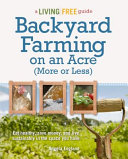
Backyard Farming on an Acre (more Or Less)

Angela England

As food prices continue to rise, more and more people have discovered that they can create their own food supply, right on their own property, and at a fraction of the price of conventional farm food that's been shipped to their local grocery from locations unknown. By raising and harvesting their own fruits, vegetables, chickens, bees, milk-bearing animals, and more, people are growing locally, sustainably, and at a fraction of the cost. However, poor planning for needs, proper use of available space, and a lack of preparedness for preserving or selling the harvest can quickly lead to wasted time and sweat.

Backyard Farming on an Acre (More or Less) is written by people who have planned and run a successful small-scale backyard farm. The authors guide readers through the essentials of planning a small-scale farm from a 1/4 acre all the way up to an acre and beyond. Readers will learn how to decide how large (or small) their farm should be, what they should plant or raise based on their invidual wants and needs (and available space), and how they can prevent their efforts from being wasted. Proven, sustainabile techniques will be presented to readers so they can yield the maximum benefit of their harvest through proven best practices. Readers will also learn how to raise small animals such as chickens and goats for milk, eggs, and meat, and will learn the crticial practices for successfully parenting bees, growing fruit tress, and much more.

View Details >>

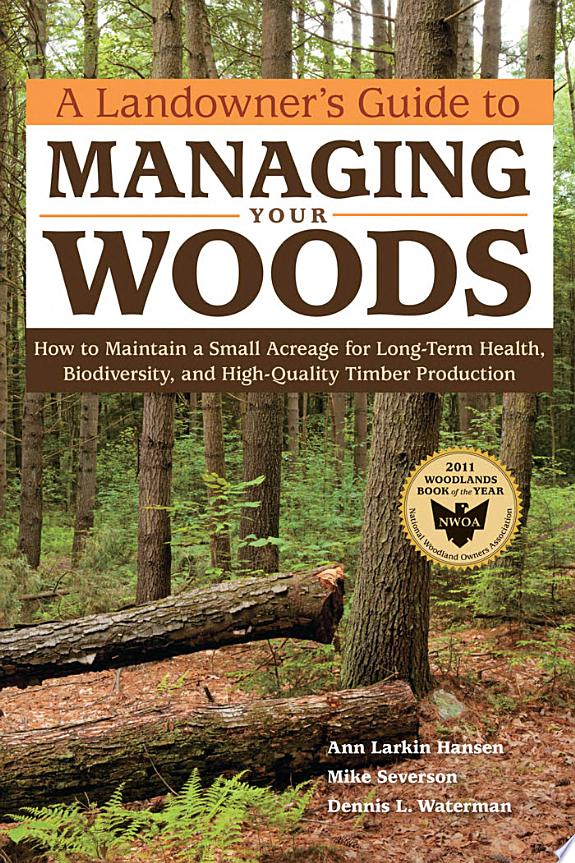
A Landowner's Guide to Managing Your Woods

Ann Larkin Hansen

This introductory resource explains how to sustainably manage a wooded property, whether itÕs a few acres in the suburbs or a small commercial forest.Ê Readers will learn how to identify the type, health, and quality of their trees and woodland; how to plant, prune, and thin trees; how to improve their ecosystem by creating trails, adding water, and diversifying; how to improve wildlife habitat; and how to enjoy and use the land by harvesting timber, cutting firewood, building wildlife blinds, making maple sugar, growing Christmas trees, hunting, and more.

View Details >>

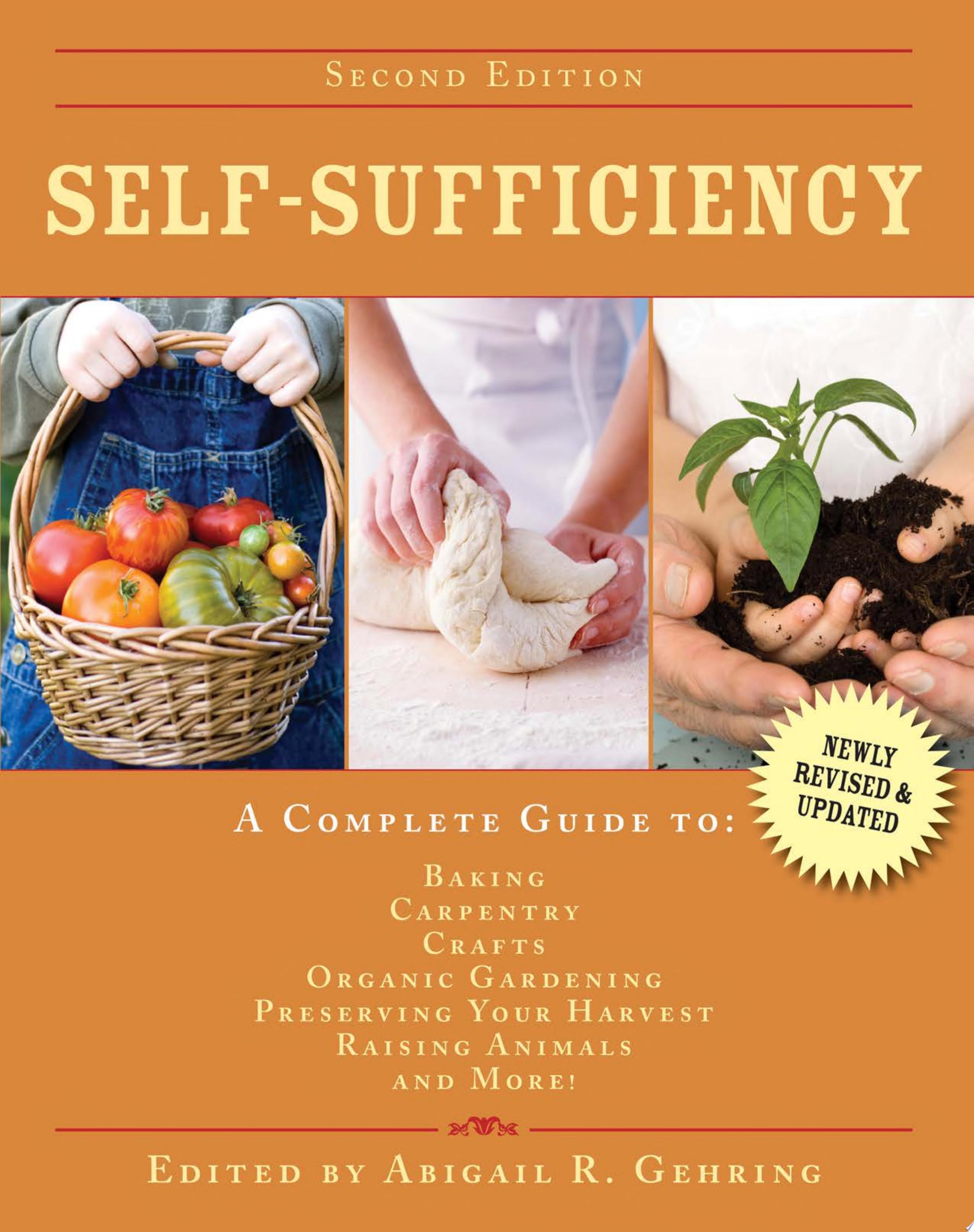
Self-Sufficiency

Abigail Gehring

Now, more than ever, people across the country are turning toward simpler, greener, and quieter ways of living—whether they’re urbanites or country folk. Following in the footsteps of Back to Basics and Homesteading, this large, fully-illustrated book provides the entire family with the information they need to make the shift toward self-sufficient living.

Self-Sufficiency provides tips, advice, and detailed instructions on how to improve everyday life from an environmentally and organic perspective while keeping the focus on the family. Readers will learn how to plant a family garden and harvest the produce; can fruits and vegetables; bake bread and cookies; design interactive and engaging “green” projects; harness natural wind and solar energy to cook food and warm their homes; boil sap to make maple syrup; and build treehouses, furniture, and more. Also included are natural crafts readers can do with their kids, such as scrapbooking, making potato prints, dipping candles, and constructing seasonal decorations. Whether the goal is to live entirely off the grid or just to shrink their carbon footprints, families will find this book a thorough resource and a great inspiration.
View Details >>

Making Vegetables (Vol 1)

Shoshanna Easling

Volume 1 introduces heirloom seeds, and the great need for them. You will find easy instructions on germinating seeds, nurturing seedlings, and then transferring them to your garden. It also features advice from the best heirloom seed experts in the world. It is packed with step-by-step instructions and full-color pictures that make it fun and easy to follow. Making Vegetables will teach you to build a hot box, cold box, greenhouse, and how to plant and care for an organic sustainable heirloom garden. With its simple and to-the-point perspective, Making Vegetables is an entertainingly instructive book. If you have ever wanted to grow a more delicious, nutritious, and all-around better vegetable, buy this book to discover how.

View Details >>

The Hands-On Home

Erica Strauss

A fresh take on modern homemaking, The Hands-On Home is your go-to manual for DIY homecare and living more sustainably
 
From cooking, canning, and preserving to making your own nontoxic home and personal care products, author Erica Strauss offers instruction and inspiration for tackling at-home projects on your own. In this book, you will learn how to:
 
• Organize and stock your kitchen for easy meal preparation, and then whip up simple but satisfying recipes the whole family will love (Choose-Your-Own-Adventure Granola, Forager Spring Greens Soup, and Simple Crispy Chicken with Roasted Lemon Pan Sauce).

• Use basic food preservation techniques such as water-bath canning, pressure canning, and lacto-fermentation along with a handy year-long food preservation calendar of what to put up when. Preserving recipes are organized seasonally and include Rhubarb Syrup, Pressure-Canned Chicken Broth, Korean-Spiced Turnips, and Cranberry-Pear-Walnut Conserve.

• Create your own home care and personal care products—from Fizzy Bath Bombs and Refreshing Peppermint Foot Scrub to Nontoxic Laundry softener.
 
With less focus on consumerism and more on saving time and money, The Hands-On Home will help you create a home you love with simple resources and easy-to-learn skills.

View Details >>

Wild Logging: A Guide to Environmentally and Economically Sustainable Forestry

Bryan C. Foster

In the Intermountain West, private, nonindustrial forests--typically woodlots of 15 to 150 acres--comprise as much as one-third of the forestland. Yet the owners of these forests commonly do not have forest management plans or the assistance they need to create such plans. Wild Logging slices through the "airy idealism of environmentalists and the steel-toe practicality of loggers" to teach methods of sustainable forest stewardship tailored to the West. Wild Logging covers the rudiments of forest management: inventorying your forest and establishing management goals; developing appropriate timber-harvesting methods and hiring a logger to implement them; and managing your forest estate for the future. In engaging interviews, owners of western forestland share their practical experiences. Technical sections cover such basics as how to develop a management plan, protect your property from wildfire, and write a timber harvest contract.

View Details >>

Green by Design

Angela M. Dean

There is no "one-size-fits-all" plan for so-called "green" homes; rather, there are universal principles of design that can be applied to individual tastes and needs. Architect Angela Dean offers a variety of ways to incorporate green building into your home, including using healthy building materials such as straw bales and natural flooring, taking advantage of local materials and resources, reusing gray water for landscaping, and incorporating passive solar design. Her goal is to teach people how to think about building sustainable homes. Green by Design provides a thorough analysis of what it means to build green and offers advice on what to consider when designing a sustainable home. Green by Design features full-color photographs and line drawings of floor plans show different examples of successful sustainable homes. It also includes in-depth case studies of more than a dozen homes so readers planning a green home can see what worked for others. By providing people with knowledge, inspiration, and the ability to ask the right questions (and understand the answers) Green by Design puts home builders and owners on a path to creating beautiful, environmentally responsible homes that they can be proud to live in. Angela Dean, AIA, is principal architect of AMD Architecture in Salt Lake City. She specializes in environmentally responsible designs to create healthy, comfortable buildings that are in harmony with the environment

View Details >>

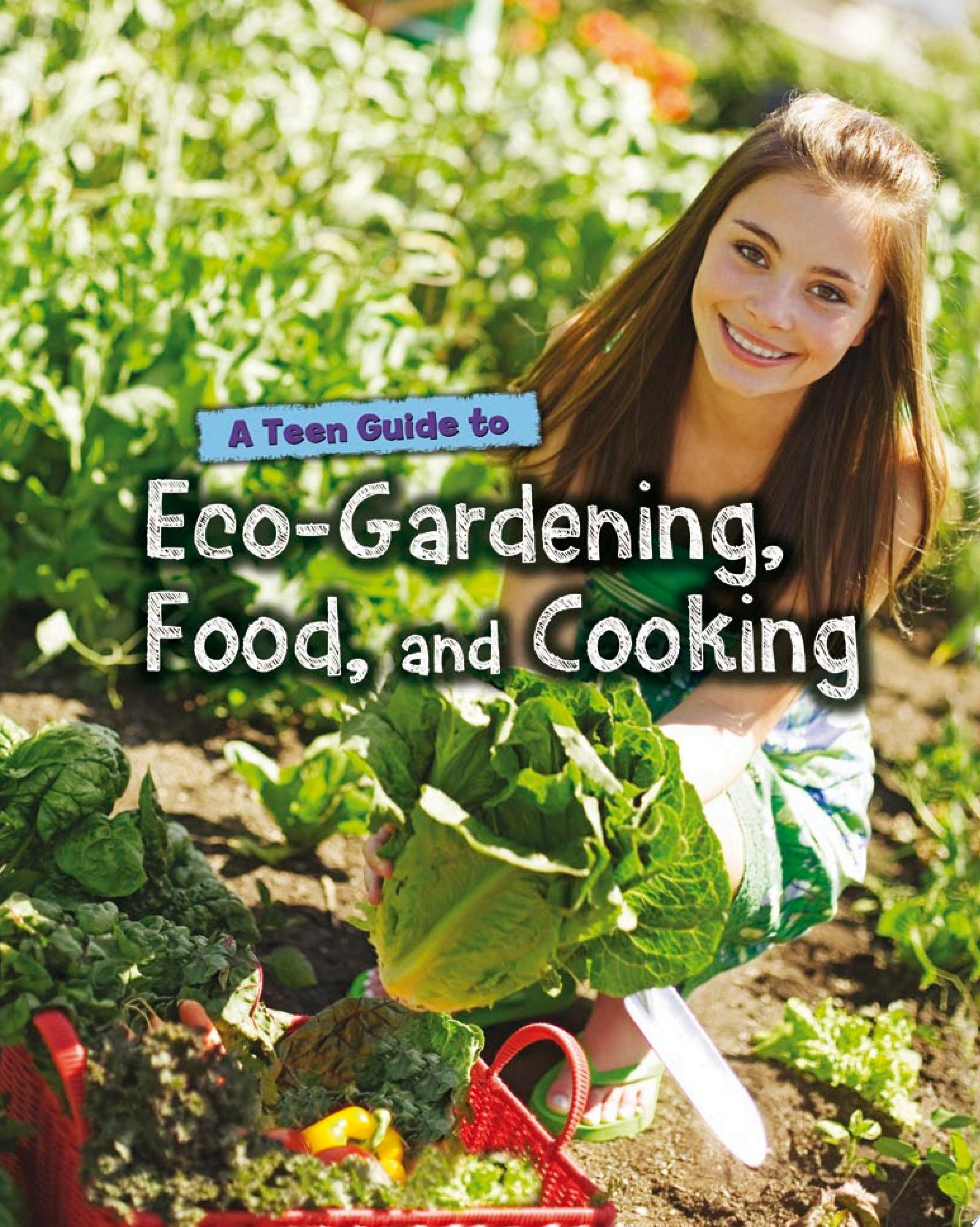
A Teen Guide to Eco-Gardening, Food, and Cooking

Jen Green

Eco-Guides are trendy, stylish books that give school-age readers realistic and practical advice on how they can live an eco-conscious life, right now. And that action can be taken by themselves, with their family, or as part of a school or community group. In this book, readers learn how to grow things in even the smallest of spaces, source eco-friendly food, think about water, energy and packaging waste, and prepare delicious dishes.

View Details >>

Use It All

Alex Elliott-Howery

Want to know what you can do to address a food system in crisis? Get back into the kitchen, use what's there and gain a bit more kitchen literacy. It's time to rethink the role of the modern home kitchen as a place that can effect positive change, as well as produce delicious meals, even when we are busy with the rest of our lives.

Most cookbooks present inspiring recipe after inspiring recipe, sending you to the shops with an enormous list of ingredients, much of which get wasted. Use it All is a kitchen skills handbook for real people with really busy lives who want to do a bit of good. Packed with over 160 recipes that form a blueprint for seasonal eating, offering dozens of alternative flavour combinations to adapt according to what you have on hand. Putting these skills into practice means you'll eat creative meals, buy less, use less packaging and make so much more with what you've got.

View Details >>

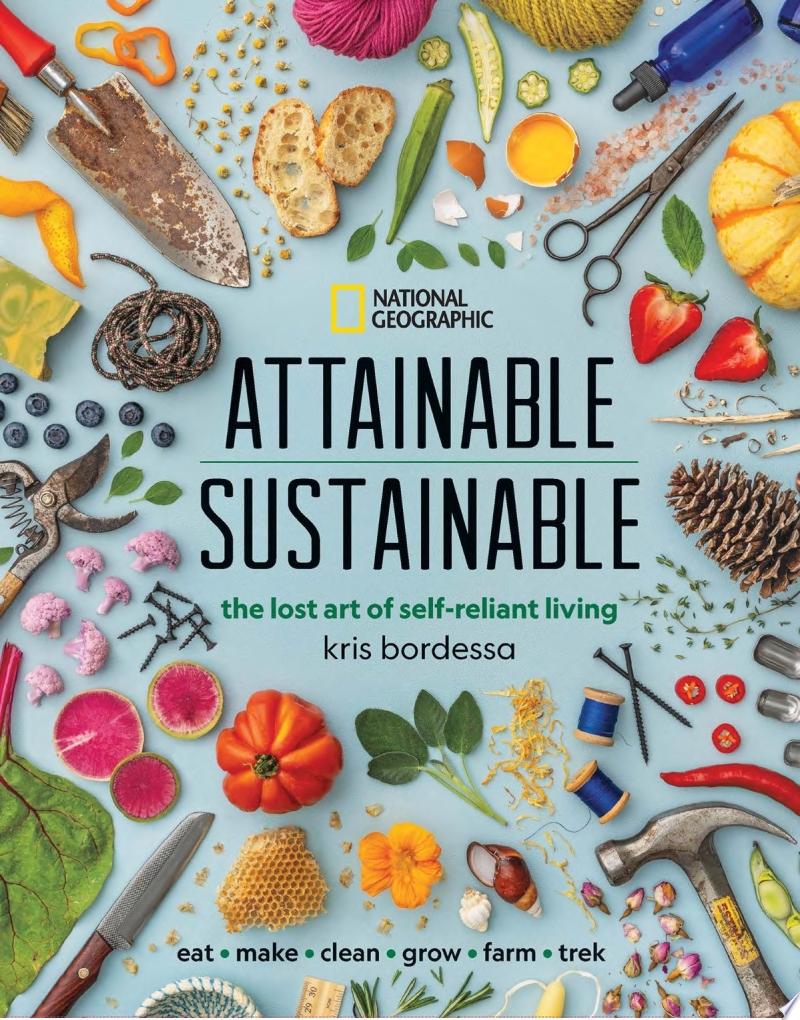
Attainable Sustainable

Kris Bordessa

Packed with delicious recipes, natural remedies, gardening tips, crafts, and more, this indispensable lifestyle reference from the popular blogger makes earth-friendly living fun.

Whether you live in a city, suburb, or the country, this essential guide for the backyard homesteader will help you achieve a homespun life--from starting your own garden and pickling the food you grow to pressing wildflowers, baking sourdough loaves, quilting, raising chickens, and creating your own natural cleaning supplies. In these richly illustrated pages, sustainability-guru Kris Bordessa offers DIY lovers an indispensable home reference for sustainability in the 21st century, with tried-and-true advice, 50 enticing recipes, and step-by-step directions for creating easy, cost-efficient projects that will bring out your inner pioneer. Filled with 340 color photographs, this relatable, comprehensive book contains time honored-wisdom and modern know-how for getting back to basics in a beautiful, accessible package.

View Details >>

Libraries and Sustainability

René Tanner

Library workers at all types of organizations, as well as LIS students learning about this newest Core Value of Librarianship, will find this book an easy-to-digest introduction to what staff at a range of libraries have accomplished in incorporating sustainability into their decision making and professional practices. In addition, a discussion about the role of economics and sustainability will challenge readers to stretch in new ways to positively impact their communities.

As a core value of librarianship, sustainability is not an end point but a mindset, a lens through which operational and outreach decisions can be made. And it extends beyond an awareness of the roles that libraries can play in educating and advocating for a sustainable future. As the programs and practices in this resource demonstrate, sustainability can also encompass engaging with communities in discussions about resilience, regeneration, and social justice. Inspiring yet assuredly pragmatic, the many topics explored in this book edited by members of ALA's Sustainability Round Table and ALA’s Special Task Force on Sustainability include

  • a discussion of why sustainability matters to libraries and their user communities;
  • real-life examples of sustainability programming, transformative community partnerships, collective responses for climate resilience, and green building practices;
  • lessons learned and recommendations from library workers who have been active in putting sustainability into practice;
  • the intersection of sustainability with the work of equity, diversity, and inclusion;
  • suggestions regarding the revision of library and information science curriculum in light of the practical need to build community resilience;
  • an examination of how libraries’ efforts to support Doughnut Economics can bolster the United Nations' work on the Sustainable Development Goals, which seek to address the global impacts of climate change; and
  • potential collaborators for future sustainability-related initiatives.
View Details >>